

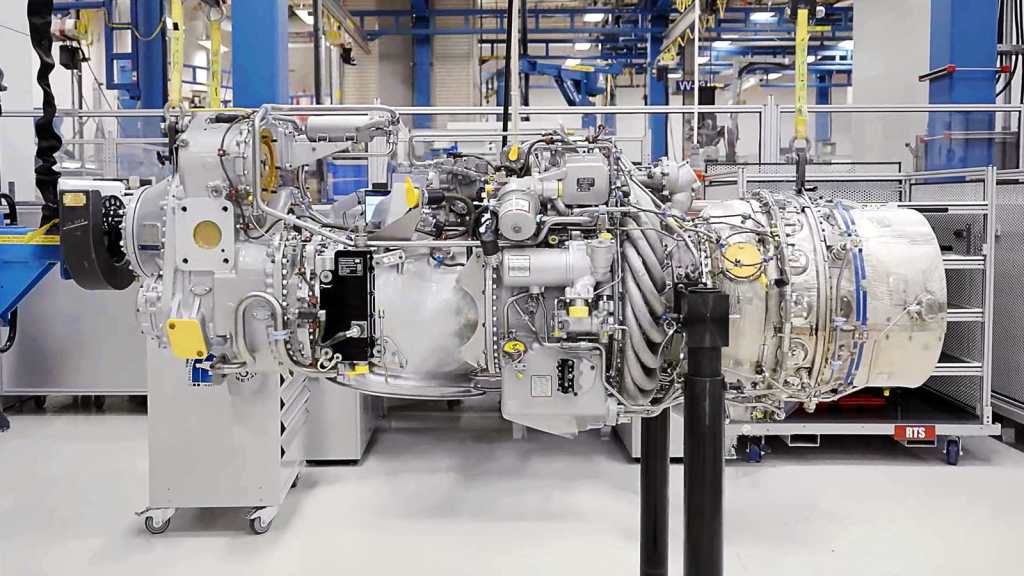
Regional aviation just took a major step forward. Pratt & Whitney Canada, part of RTX, has officially delivered the first PW127XT-S development engines to Deutsche Aircraft’s headquarters in Oberpfaffenhofen, Germany. These engines will power the D328eco® test aircraft (TAC1), marking a pivotal milestone on the road to entry into service in 2027.
A Partnership Built on Decades.
Pratt & Whitney Canada and Deutsche Aircraft aren’t strangers. Their collaboration spans over 40 years, and this latest achievement underscores their shared commitment to advancing sustainable, efficient regional aviation. The PW127XT-S is the newest member of the PW100 engine family, renowned for powering turboprops around the world.
What Makes the PW127XT-S Special?
The PW127XT-S isn’t just another engine—it’s designed to redefine efficiency and performance in regional air travel:
- 🚀 Fuel Efficiency: Up to 14% lower fuel consumption per seat compared to the original Dornier 328 platform.
- 👥 Capacity Boost: The D328eco will offer 25% more passenger capacity, making regional flights more economical and accessible.
- 🖥️ Modern Avionics: State-of-the-art cockpit systems will enhance safety and operational performance.
Together, these innovations promise a greener, smarter, and more cost-effective future for regional airlines.
The Road Ahead
With the engines now delivered, Deutsche Aircraft will begin preparing TAC1 for ground evaluations and flight testing. This phase is critical for certification and will pave the way for the D328eco’s commercial debut in 2027. The aircraft itself is a modern evolution of the Dornier 328, blending proven design with next-generation technology.
Why It Matters
Regional aviation often flies under the radar compared to big jets, but it’s vital for connecting communities. The D328eco, powered by the PW127XT-S, represents a new era of sustainable regional travel—one that balances efficiency, passenger comfort, and environmental responsibility.
Pratt & Whitney Canada’s delivery of the PW127XT-S engines is more than a technical milestone—it’s a signal that the future of regional aviation is arriving, and it’s greener, smarter, and closer than ever.






Leave a comment